
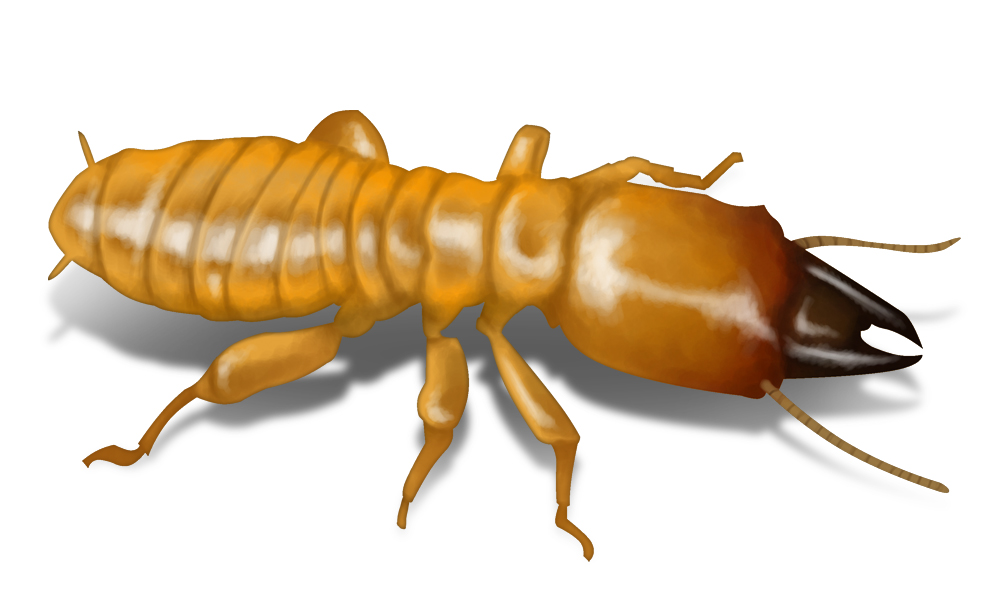
An old tree stump is the easiest termite meal in a Brisbane backyard. The timber is dead, damp and sitting in the ground, which is exactly where subterranean termites live. Grinding the stump out removes the food source; it does not treat a colony that is already there. If you can see termites in the stump, get a pest controller to treat it first, then we grind what’s left.
We get asked about this on most jobs, usually by someone who has just had a building and pest inspection and been told to “deal with the stump”. This is what we tell them, with no scare tactics. South East Queensland is a high termite-risk zone (the Queensland Building and Construction Commission’s termite protection guide is worth 5 minutes), and a rotting stump within reach of the house is one of the few risks you can remove in a morning.
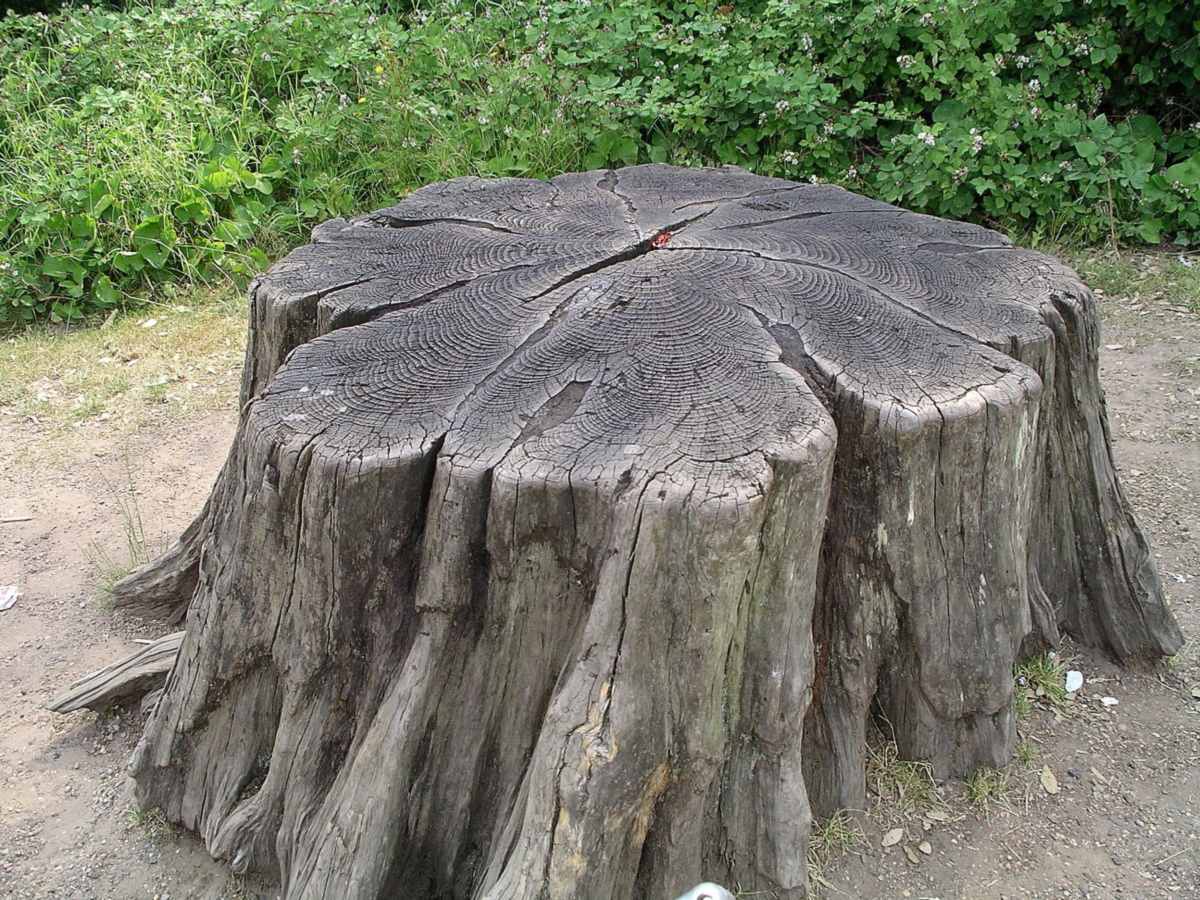
Why do termites go for tree stumps?
Subterranean termites eat cellulose and need moisture. A stump gives them both, below ground, out of the sun and away from birds and ants. The roots are a ready-made network of tunnels. From there the colony sends out foraging galleries, the mud tubes you sometimes see on a slab edge or a fence post, and it does not care whether the next timber it finds is a fallen branch or your bottom plate.
A couple of things we see a lot. Gum stumps and camphor laurel stumps are the usual suspects because they are big and slow to rot, so they feed a colony for years. Palm stumps rot fast and wet and are more of a cockroach and fungus problem than a termite one, but we still take them out. And a stump that has been poisoned and left is still a stump; the chemical kills the tree, not the termites that move in afterwards. Which stumps are the biggest risk, and how close to the house is too close, is covered in our guide to whether tree stumps attract termites.
Does grinding the stump get rid of termites?
It removes the food. It does not kill a colony. If the stump is already active (you can tell by chipping the bark off and finding the pale, soft-bodied workers, or by mud tubes on the outside), the right order is a pest controller first, then us. Grinding an active stump without treatment just scatters the workers; the colony’s nest is usually in the ground nearby and it will keep going.
If the stump is clean, grinding it is the prevention. We grind 200 to 300 mm below ground level and chase the big surface roots, so the bulk of the timber is turned into chips. The small roots that stay in the ground dry out and break down over a year or two, and they are too small and too scattered to feed a colony. That is the honest answer: grinding takes away the thing that attracts termites; it is not a termite treatment.
What do I do with the grindings?
This is the question nobody asks and should. A pile of fresh wood chips sitting against the house is also termite food. We rake the chips out of the hole and either take them away or leave them for you to use, and we tell everyone the same thing: spread them thin in a garden bed away from the house, or compost them. Don’t bank them up against a slab, a fence post or a timber deck. If you are in the fire ant zone (most of Brisbane, Logan and Ipswich), the chips should stay on the property or be moved under the fire ant movement rules.
What else around the yard feeds termites?
While you’re dealing with the stump, walk the yard. The things pest controllers flag on almost every Brisbane inspection are: timber sleepers and retaining walls touching soil, firewood stacked against the house, old fence posts rotting at the base, a leaking tap or air-conditioner drain keeping one patch of soil permanently wet, and garden beds built up above the slab edge so the inspection gap is buried. None of those are our trade, but they are all cheaper to fix now than after an inspector finds live termites in the wall.
| Situation | What to do first | Then |
|---|---|---|
| Old stump, no sign of termites | Grind it out, chips away from the house | Annual termite inspection as normal |
| Stump with live termites or mud tubes | Pest controller treats the colony | We grind the stump after treatment |
| Stump within 10 metres of the house | Grind it, don’t wait | Check timber in contact with soil nearby |
| Buying a house with old stumps in the yard | Budget for grinding in the first month | Keep the pest report with the house file |
| Tree still standing but dying or hollow | Arborist assessment | Remove and grind in one booking |
What does it cost to grind a stump for termite prevention?
The same as any other stump. From $250 for a typical domestic stump, and a multi-stump discount of up to 50 per cent if you have a few. The full breakdown is on our stump grinding cost page. On a job in Forest Lake last month we did two trunks of about 35 to 40 centimetres in a morning, ground below ground level with the surface roots out, so the owner could level and turf straight over them. That is the typical job.
If the tree is still standing, the tree removal side of the group takes it down and we grind the stump in the same booking, so there is never a stump left sitting for a year while someone gets around to it.
We cover the southside, the northside and Ipswich. Text a photo of the stump to 0449 003 606 or use the quote form and we’ll price it the same day.
Frequently asked questions
Do tree stumps attract termites?
Yes. A stump is dead, damp timber sitting in the ground, which is exactly what subterranean termites feed on and nest near. Large gum and camphor laurel stumps are the usual problem in Brisbane because they take years to rot and feed a colony the whole time.
Does stump grinding kill termites?
No. Grinding removes the food source but does not kill a colony. If the stump is already active, have a pest controller treat it first, then grind the stump. If the stump is clean, grinding it is the prevention.
How far from the house is a stump a termite risk?
Any stump on the block can host a colony, but pest controllers treat anything within about 10 metres of the house as a priority because foraging galleries reach that far easily. Grind the close ones first.
Can I leave the wood chips from the stump in the garden?
Spread thin in a garden bed away from the house, yes. Don't pile them against a slab, deck or fence post, because fresh chips are also termite food. In the fire ant zone, keep them on the property.
Will a poisoned stump still attract termites?
Yes. Stump poison kills the tree, not the termites that move in once the timber starts to rot. A poisoned stump left in the ground is the same risk as any other stump.