
Tree roots lifting pavers is a water problem before it is a tree problem: roots grow where the soil under your paving stays damp and loose, then thicken every year until the pavers ride up over them. Chopping the one root you can see buys a year or two at best. The real fixes are grinding the roots out and relaying on a proper base, putting in a root barrier, or removing the tree and grinding the stump so the roots die off.
We get sent a photo of a wonky path most weeks: a front path, a pool surround, a driveway with a hump that scrapes the car. The question is always the same: can you just cut the root? Here is the straight answer from the blokes who grind the roots afterwards.
Why are tree roots lifting my pavers?
Roots do not push through paving because they are looking for it. They grow in the top 300 to 600 mm of soil, where the air, water and food are, and the ground under a paved area is a good place to be: pavers on a sand bed keep the soil cool and damp, nobody compacts it, and runoff soaks in at the edges. A root follows that strip and gets fatter every season. A pencil-thick root becomes a wrist-thick root, and the pavers on top have nowhere to go but up.
Three things make it worse: a shallow sand base, a tree planted within a couple of metres of the edge, and Brisbane’s wet summer, which switches root growth on hard from about now through to March. Flat in spring, a lip by autumn? That is a root, not the ground settling.
Which trees are the worst for lifting paving in Brisbane?
Any tree can do it, but a handful do it on purpose. Figs, both the Moreton Bay fig and the weeping fig people plant as a hedge, throw surface roots ten metres or more and will lift a driveway, a retaining wall and the neighbour’s path for good measure. Camphor laurel is the same, with the bonus that it is a declared weed. Poinciana, jacaranda and umbrella trees run shallow, flat roots that love a sand bed. Big old gums are not aggressive, but a 30 metre tree two metres from a driveway has roots under the whole thing whether you can see them or not.
| Tree | How it lifts paving | Realistic fix |
|---|---|---|
| Moreton Bay fig, weeping fig | Thick surface roots, very wide spread, keep coming back | Remove the tree and grind the stump, or expect to relay every few years |
| Camphor laurel | Shallow mat of roots, suckers from cut roots | Remove (it is a weed anyway) and grind stump and roots |
| Poinciana, jacaranda, umbrella tree | Flat roots just under the sand bed | Grind the roots under the paving, relay on road base, root barrier at the edge |
| Gums | Lots of medium roots, usually deeper | Arborist root assessment first; grind or bridge the roots, never cut big ones blind |
Can I just cut the root that is lifting the pavers?
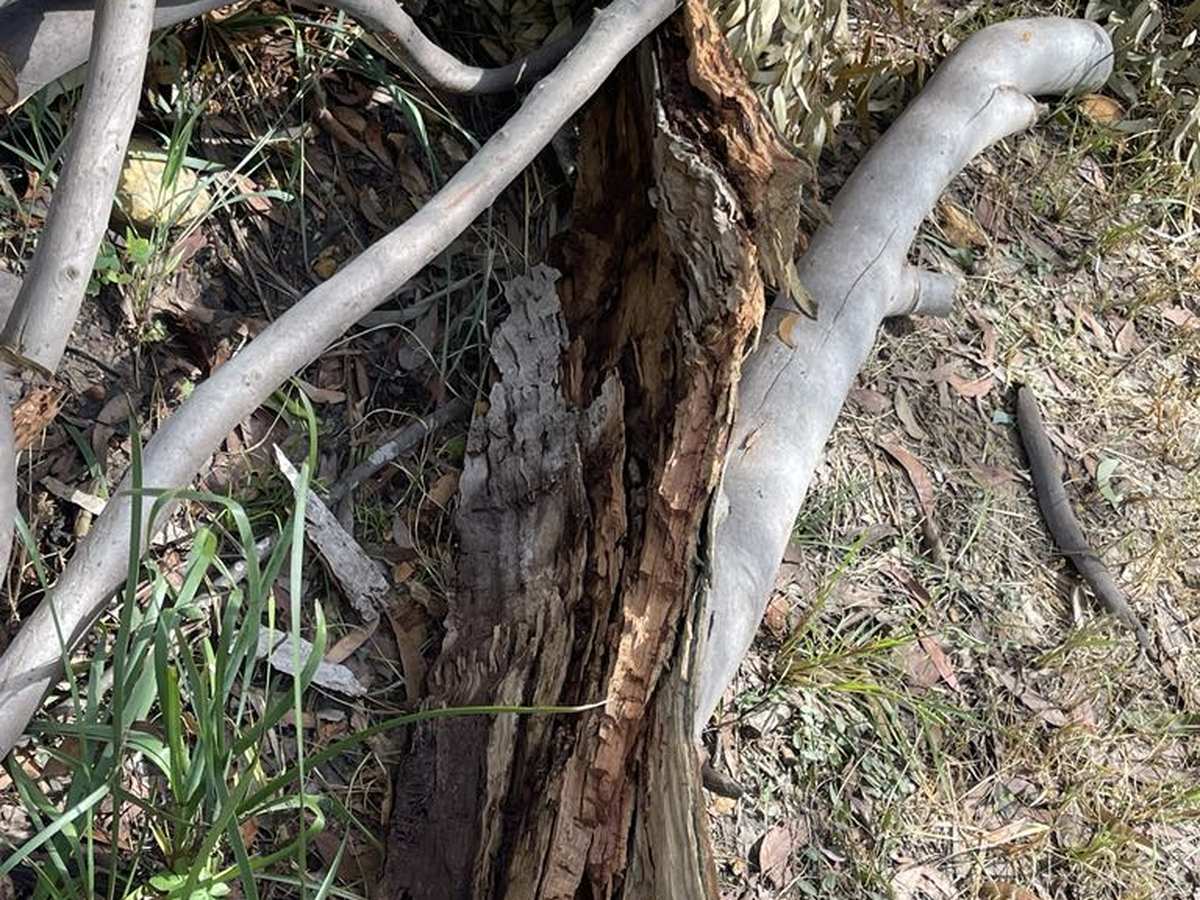
You can, and half the people who ring us already have. Here is what happens next. The tree sends up two or three new roots from the cut end, usually heading the same way, and the pavers lift again in a couple of summers. If the root was a big one, more than about 50 mm across and close to the trunk, you have also taken out part of what holds the tree up. We have been to plenty of storm jobs where the tree that went over had a driveway cut through its roots a few years earlier.
The rough arborist rule: stay out of the ground within a radius of about twelve times the trunk diameter. For a 400 mm gum that is nearly five metres. Inside that zone, cutting roots needs someone who knows which ones matter, which is why a Kenmore owner with a driveway lifting beside a very large gum came to us this year for a root investigation before the concreter started. Council wanted a driveway permit, the builder wanted it in writing what could be cut and whether the new slab needed a deeper edge beam. That is the right order of doing it.
Neighbour’s tree roots lifting my pavers: whose problem is it?
In Queensland the tree-keeper, the person whose land the tree grows on, is responsible for the tree and its roots, and you may cut roots that cross onto your side, within reason. In practice, cut a fig’s roots at the fence and the fig keeps growing, so the fix that lasts is a shared job: grind the roots on your side, put a barrier along the boundary, and if the tree is the wrong tree in the wrong place, the arborist crew at Dynamic Tree Solutions can take the tree down properly in one visit and we grind the stump the same day.
If the tree is a council street tree, it is different again. Council’s own page on street and park trees says you need permission to interfere with council trees above or below the ground, and digging inside a street tree’s critical root zone needs a protected vegetation permit. New driveways have to stay at least two metres from a street tree. So if a council fig is lifting your front path, you do not grind it; you report the footpath to council and let their arborist decide. We had exactly that enquiry from Banksia Beach, a fig in the park next door lifting a unit block’s paving, and the honest answer was that half the job belonged to council before anyone brought a grinder.
How do you stop tree roots lifting pavers for good?
There are three fixes that actually last, and one that does not.
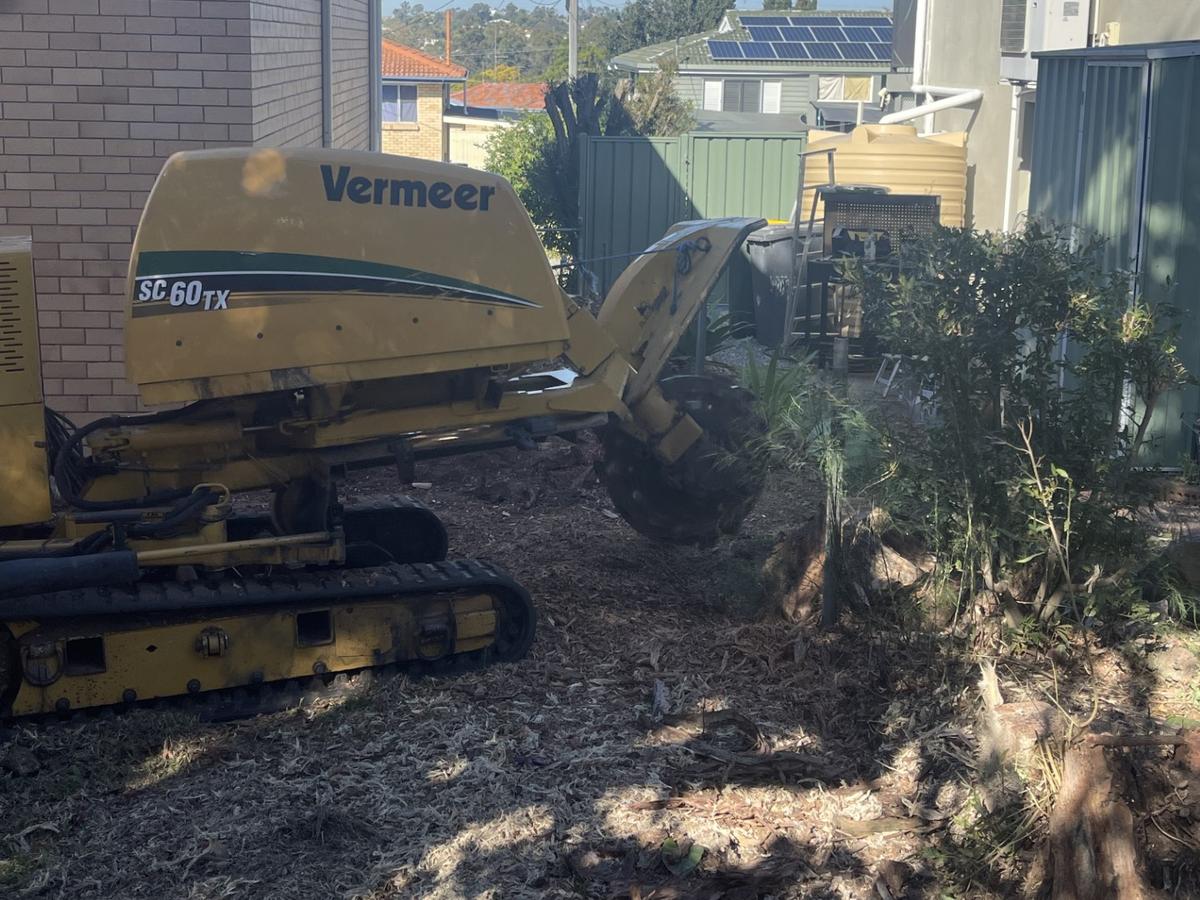
Grind the roots and relay. We lift the affected pavers, run the grinder along the root run to 200 to 300 mm below the finished level, and the paver relays on compacted road base rather than sand on dirt. The pavers stay flat for years because the base is too hard for new roots to bother with. Where it is a driveway slab going back in, our civil crew at Dynamic Earth Solutions can prepare the base for the new concrete after the roots are out, so it is one dig, not two.
Root barrier. A 600 mm deep sheet along the edge of the paving, top 50 mm proud of the ground, turns most roots down and away. It only works after the existing roots are ground out, and it does nothing against a fig that is already under the slab.
Remove the tree and grind the stump. Sometimes it is the only answer, because the tree is a fig, a camphor laurel or a poinciana planted a metre from the house, and anything less is a holiday. Removal is the tree crew’s job; the stump and the root plate are ours. A typical single domestic stump starts from $250, ground 200 to 300 mm below ground with the surface roots chased and the chips raked off, and if a couple of trees are coming out the multi-stump discount runs up to 50 per cent. Root runs under paving are quoted from a photo because the length and the depth decide it. The full breakdown is on the stump grinding cost page.
The one that does not work: chopping the visible root and dropping the pavers back on sand. You will be doing it again in two summers.
What does a root grinding job actually look like?
Pavers up, roots exposed, Before You Dig check done because a root run beside the house is often the same trench the water and gas came in through. The grinder takes the roots down in passes, we rake the chips out and the paver has a firm trench to fill. The tracked machine fits through a 900 mm gate, which is most of the inner suburbs. We do a lot of this on the older blocks around Brisbane’s southside, out at Forest Lake where the estate trees have hit twenty years old, and through Ipswich where the Queenslanders have figs and camphors that were there before the paving was. A poinciana at The Gap lifting a driveway slab was a classic: roots trimmed, canopy reduced to match, and a check for vegetation overlays before anyone cut.
Got pavers on the move? Text a photo of the lifted section and the tree to 0449 003 606 or use the quote form, and we will tell you whether it is a grind, a barrier or a removal before anyone turns up with a crowbar.
Frequently asked questions
Why are tree roots lifting my paving?
Roots grow in the top 300 to 600 mm of soil, and the soil under pavers laid on sand stays cool, damp and uncompacted, which is ideal. A root follows that strip, thickens every year and lifts the pavers above it. Shallow bases, trees planted within a couple of metres of the paving and Brisbane's wet summer growth season all make it worse.
Which trees lift pavers the most in Brisbane?
Figs (Moreton Bay fig and weeping fig hedges), camphor laurel, poinciana, jacaranda and umbrella trees all run thick, shallow roots that lift paving. Large gums have many medium roots that need an arborist assessment before any are cut. Small natives such as lilly pilly and bottlebrush are rarely the cause.
Can I cut the tree root that is lifting my pavers?
You can cut small roots, but the tree usually regrows two or three from the cut end in the same direction, so the pavers lift again within a couple of summers. Cutting roots over about 50 mm thick inside a radius of roughly twelve times the trunk diameter can make the tree unstable. Get an arborist to assess big roots first.
How do you stop tree roots lifting pavers permanently?
Three fixes last: grind the roots out to 200 to 300 mm below the finished level and relay the pavers on compacted road base; install a 600 mm deep root barrier along the paving edge after the roots are ground; or remove the tree and grind the stump so the root system dies off. Cutting the visible root and relaying on sand does not last.
My neighbour's tree roots are lifting my pavers. Who is responsible?
In Queensland the tree-keeper, the owner of the land the tree grows on, is responsible for the tree and its roots. You may cut roots that cross onto your land within reason, but the lasting fix is usually a shared one: roots ground on your side, a barrier on the boundary, or removal of the tree if it is the wrong species for the spot. Council street trees are different: you need council permission to interfere with their roots.
How much does root grinding cost in Brisbane?
Root runs under paving are quoted from a photo, because the length and depth of the run decide the time. For reference, a typical single domestic stump starts from $250, ground 200 to 300 mm below ground with the surface roots chased, and a multi-stump discount of up to 50 per cent applies when more than one tree is coming out. Lifting and relaying the pavers is quoted separately by your paver or concreter.